
Angola is preparing to invest approximately US$180 million for a 10% stake in De Beers, adding another major African diamond producer to efforts to reshape ownership of one of the world’s most influential diamond companies. The proposed investment reflects a wider ambition among African mineral-producing countries to secure greater participation in the industries built around their natural resources.
The figure was disclosed on 20 November 2026 by José Manuel Augusto Ganga Júnior, chief executive of Angola’s state-owned diamond company Endiama. Angola’s proposed participation forms part of a consortium involving Botswana, Namibia, Oman and the Global Diamond Consortium, which is seeking to acquire the 85% shareholding held by Anglo American. Botswana currently owns the remaining 15% of De Beers.
READ ALSO:Angola Reopens Onshore Basins with Indigenous Operator Leadership
The transaction has not been completed. Angola’s government has said that final agreements and regulatory approvals are still required, while Anglo American has confirmed that binding transaction documents remain under discussion. The final ownership structure and completion timetable have not been disclosed.
The proposed investment comes at a difficult period for the global diamond industry. Falling natural diamond prices and competition from laboratory-grown stones have placed pressure on the sector, prompting Anglo American to pursue the sale of De Beers as part of a wider corporate restructuring.
For Angola, however, the proposed stake is about more than acquiring an interest in an international company. It offers an opportunity to strengthen the country’s position in the diamond value chain and potentially increase its influence over decisions affecting production, marketing and the industry’s future direction.
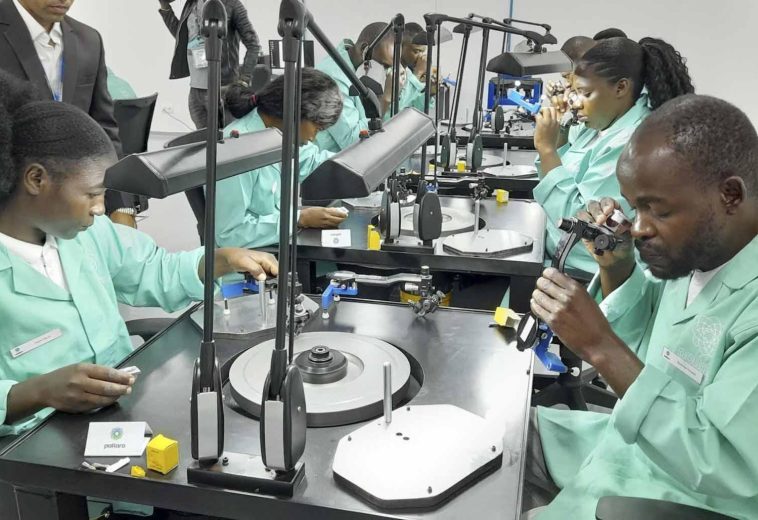
Angola produced approximately 15.19 million carats of diamonds in 2025, according to figures cited from its Ministry of Mineral Resources, Petroleum and Gas. The country has also been working to expand domestic diamond processing and trading, seeking to retain more value from its mineral resources instead of relying predominantly on the export of rough stones.
The Angolan government has identified local diamond cutting and polishing, sales through the Angola Diamond Exchange, and skills and business development as objectives associated with the proposed investment. These ambitions are important because a stronger domestic processing industry could create specialised employment, support local businesses and increase the country’s participation in higher-value activities.
Botswana is pursuing a similar objective. President Duma Boko has indicated that his government wants to increase Botswana’s existing 15% shareholding in De Beers to 30%. The proposed changes could give African producing countries a stronger role in the company’s ownership, although the final allocation of shares among consortium members remains unsettled.
The opportunity also comes with commercial risks. De Beers operates in a market facing changing consumer preferences, price pressures and competition from synthetic diamonds. Any investment must therefore be assessed against the company’s long-term financial prospects, the value of its assets, future market demand and the responsibilities attached to ownership.
For Angola, the financial structure of the proposed purchase will also matter. The government has not yet published a complete account of how the investment will be financed, the conditions attached to the shareholding or the expected returns. Transparency on these matters will be important in demonstrating that the acquisition represents a sustainable commercial decision.
The wider significance extends beyond diamonds. African countries that produce strategic minerals increasingly face the challenge of moving from resource extraction towards processing, manufacturing, trading and technology development. Ownership stakes in international companies can create influence, but they must be accompanied by domestic investments in skills, infrastructure, industrial capacity and competitive local enterprises.
Angola’s proposed investment in De Beers could strengthen African participation in the global diamond industry, particularly if it supports greater value addition within producing countries. However, its success will depend on the final terms of the transaction and whether ownership translates into measurable benefits for the country’s economy and workforce.
The objective should be to ensure that Africa’s mineral wealth supports more than extraction and exports. It should help build industries, develop expertise and create lasting economic opportunities in the countries where those resources originate.