Africa’s health technology challenge is no longer simply about developing innovative products. It is about ensuring that these solutions become reliable, affordable and sustainable parts of healthcare delivery.
At the Africa HealthTech Summit 2026 in Kigali, Rwanda, the emphasis was on moving beyond isolated digital-health pilots towards connected systems capable of operating at scale. Niger’s Likita Care offers a practical example of what locally developed medical technology can contribute to that ambition.
READ ALSO: Google Backs Nigerian Health-Tech Innovation: AI Initiative Targets 1.9 Million Women
Held from 30 September to 2 October under the theme Wellness for All: Powered by Intelligent Health Systems, the summit brought together policymakers, healthcare professionals, innovators, investors and development partners. Its discussions highlighted a persistent challenge: promising health technologies often struggle to progress from pilot projects to widespread adoption. Summit organisers also established a Health-Tech Deal Room, bringing together 22 scale-ups and 13 confirmed investors to strengthen connections between innovators and potential sources of capital.
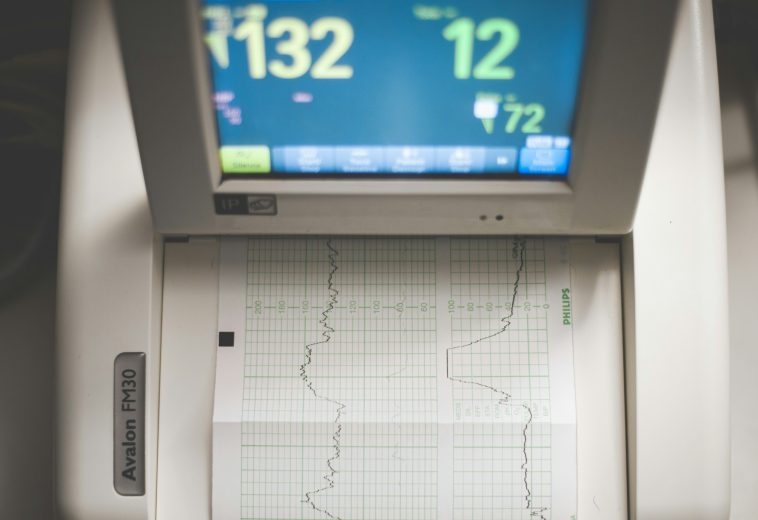
The importance of this transition is reflected in Likita Care’s development. Founded by Nigerien engineer Mamane Kabirou Ousseini, the company produces medical monitoring devices designed to help healthcare workers track patients’ vital signs and respond to changes in their condition. Its integrated platform combines locally manufactured hardware, clinical software and an artificial intelligence module that helps interpret vital-sign readings. A central dashboard enables healthcare workers to monitor several patients, supporting more coordinated clinical observation.
Ousseini’s experience maintaining imported medical equipment in Niger helped shape the idea. He had seen monitoring devices become unusable because replacement parts and specialist technical support were difficult to obtain. Likita Care was developed in response to that problem, with an emphasis on manufacturing, maintenance and repair within the country.
The innovation received international recognition when Ousseini won the 2026 Africa Prize for Engineering Innovation, awarded by the Royal Academy of Engineering. The £50,000 prize will support the company’s commercialisation plans in Niger and preparation for expansion into neighbouring West African markets. More than 70 monitoring units have been produced, and the technology is being used in five medical centres. Trials involving more than 100 patients have generated over 4,000 data points.
These figures establish an encouraging foundation, but they should not be confused with proof of large-scale clinical effectiveness. The next phase will require independent evidence showing that the devices measure vital signs accurately, that healthcare workers use them consistently and that alerts lead to appropriate clinical intervention. The AI component must also be assessed for accuracy across relevant patient populations, with clear safeguards against misleading results.
Expansion beyond Niger will introduce additional considerations. Medical-device regulations, clinical practices, languages, payment systems and health-data requirements differ across countries. The Royal Academy’s recognition validates the innovation’s potential, but it does not replace the regulatory approvals and clinical assessments required in each new market.
Local manufacturing is another important part of the proposition. Likita Care uses 3D printing, computer numerical control (CNC) cutting and local electronics assembly. According to reporting on the company, its team can carry out on-site repairs within 24 hours when necessary. This approach could reduce dependence on distant suppliers and make maintenance more responsive to local hospital needs. However, locally manufactured equipment must still demonstrate competitive pricing, reliability, quality control and access to replacement components.
Research on medical equipment in resource-constrained settings reinforces the importance of maintenance. A study examining oxygen concentrators in Malawi and Mongolia found that only three-quarters of the devices assessed in Malawi were functional. The researchers highlighted inadequate maintenance resources and variations in equipment performance. The lesson is relevant beyond oxygen technology: purchasing equipment is only the beginning; health systems must also budget for servicing, spare parts and technical support.
The wider healthcare environment makes this especially important. Afrobarometer’s 2024/2025 surveys across 38 African countries found that 65 per cent of citizens said they or a family member had gone without needed healthcare during the preceding year. Among respondents who had visited a public clinic or hospital, 51 per cent found it difficult or very difficult to obtain the care they needed. Long waiting times, shortages of medicines and absent medical personnel were also widely reported.
Technology cannot resolve these challenges on its own. A monitoring dashboard may make patient information more accessible, but its value depends on whether trained staff can interpret readings, whether facilities have the capacity to respond and whether patients receive timely follow-up. Reliable electricity, connectivity, data protection and integration with existing health records are equally important.
Africa’s health workforce also presents a complex picture. The World Health Organization’s 2026 workforce report estimates that 943,000 trained health workers were unemployed in 2024, even as the continent faces substantial staffing shortages. This reflects a problem of workforce planning, financing and employment capacity, not simply a shortage of trained professionals. Appropriate technology can support existing staff by improving monitoring and helping identify patients who require attention, but it cannot replace clinical judgement or the need to recruit and retain qualified personnel.
For investors and governments, the commercial question is therefore as important as the engineering achievement. The Africa HealthTech Summit’s Deal Room provides an opportunity to connect promising companies with investors, but sustainable adoption will depend on procurement commitments, realistic pricing, maintenance arrangements and long-term financing. Likita Care’s ability to secure repeat orders, retain customers and support its devices over time will be a more meaningful measure of commercial success than the prize alone.
The company is also working towards plans for a manufacturing facility in Niger to support higher-volume production. If realised, this could create opportunities for technical employment, strengthen local supply chains and build domestic expertise in medical equipment manufacturing. Such development would have value beyond the devices themselves, particularly if it encourages investment in engineering, software development and biomedical maintenance skills.
Ultimately, the most important test for Likita Care will be measurable performance: how reliably its equipment operates, whether healthcare workers use it effectively, how often alerts result in appropriate follow-up and whether patient outcomes improve. Transparent reporting on these indicators would help governments, clinicians and investors assess its value as the company prepares for expansion.
The lesson from Kigali is that Africa’s health technology future will not be secured by innovation alone. It requires systems that connect locally developed solutions to trained professionals, dependable infrastructure, responsible financing and effective regulation. Likita Care demonstrates that African innovators can develop technology around the practical realities of their own healthcare environments. The next challenge is to turn that capability into lasting improvements in access, quality and patient care.