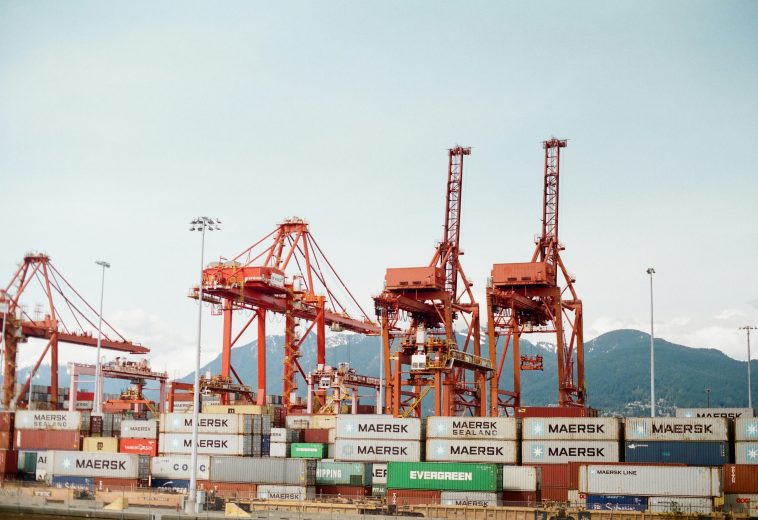
Djibouti’s economy continues to chart a path of steady expansion amid persistent regional and fiscal challenges. According to the latest International Monetary Fund (IMF) staff mission concluded in January 2026, the country sustained strong economic performance in 2025, with real gross domestic product (GDP) expanding an estimated 6.5 per cent, largely driven by robust activity in its port and logistics sectors. The IMF projects a continuation of solid growth at around 6 per cent by 2027, underpinned by sustained demand for port services from neighbouring Ethiopia and other regional partners.
Djibouti’s strategic location at the mouth of the Red Sea has made its deep-water ports essential conduits for global trade. The Port of Doraleh, container terminals, and associated logistics infrastructure have cemented the country’s role as a gateway for goods moving to and from landlocked Ethiopia and broader East Africa. This centrality in regional supply chains has translated into tangible economic performance, helping to offset headwinds in other sectors of the economy. The IMF staff noted that activity in construction, transportation, telecommunications, and retail sectors also contributed to this multi-sector expansion.
READ ALSO: The Revival of Benin’s Sèmè Field: Economic Impact and Strategy
Although GDP growth remains strong, fiscal dynamics present a more nuanced picture. In 2025, the fiscal deficit narrowed significantly to an estimated 0.7 per cent of GDP, down from 2.7 per cent in 2024, reflecting concerted efforts by the authorities to restrain expenditure despite subdued revenue performance. The 2026 budget anticipates a balanced stance with no projected deficit, signalling a commitment to fiscal consolidation.
The IMF has underscored the urgency of improving revenue mobilisation, particularly through tax enforcement, reduction of exemptions, and revisiting lucrative military base leases that have historically generated significant foreign exchange. A key component of the consolidation strategy involves increasing dividend contributions from state-owned enterprises (SOEs), imposing binding ceilings on public and publicly guaranteed debt, and advancing negotiations with creditors to ensure long-term debt sustainability.
Despite these efforts, gross reserves remain below the levels required under Djibouti’s currency board arrangement. Strengthening reserve buffers, enhancing the autonomy of the Central Bank of Djibouti (CBD), and establishing a structured plan to clear Treasury overdrafts are priorities to maintain monetary credibility under the currency board framework.
Djibouti has benefited from a remarkably stable price environment in recent years. Inflation eased from 2.1 per cent in 2024 to zero in 2025, largely due to declining global food prices that were passed through to consumers. This subdued inflationary backdrop supports purchasing power and enhances the competitiveness of Djibouti’s export and service sectors, reinforcing overall economic resilience.
External balances have also shown improvement, with the current account deficit as a share of GDP narrowing in 2025, reflecting stronger external receipts and a gradual recovery in reserves. However, persistent trade activity deficits require vigilant management of external risks, particularly given global uncertainty in energy and food markets.
The broader Horn of Africa remains a pivotal influence on Djibouti’s outlook. Ethiopia’s rapid economic growth and ongoing infrastructure projects, such as railway extensions and industrial parks, continue to generate demand for Djibouti’s ports, reinforcing the country’s role as a regional logistics hub. This structural linkage provides a stable long-term anchor for economic expansion.
Nevertheless, heightened regional tensions, including conflicts in neighbouring countries and the potential for increased refugee flows, pose downside risks. Such geopolitical volatility could disrupt trade routes or divert commerce to competing ports in the region. Reduced humanitarian aid further compounds social pressures and may strain public resources, especially if migration patterns shift abruptly. These risks remain central to the IMF’s cautious medium-term outlook.
Building the Foundations for Inclusive Growth
Beyond immediate macroeconomic stabilisation, structural reforms remain central to Djibouti’s strategy for long-term, inclusive growth. Recent IMF consultations have emphasised the need for deeper SOE governance reforms, including transparent dividend policies, financial performance monitoring, and, where necessary, divestiture or restructuring of underperforming entities. These measures aim to balance efficiency with fiscal stability and ensure that public enterprises contribute positively to national development.
Private investment is equally critical. Reducing electricity costs, improving access to finance for small and medium-sized enterprises, and strengthening education and job training are identified as essential to fostering a diversified economy that generates sustainable employment. Enhancing competitiveness, especially by levelling conditions between general and special tax regimes, is seen as a catalyst for boosting private sector activity and job creation.
Human Capital and Long-Term Vision: Setting the Course for Djibouti 2035
Investments in human capital, particularly in health and education, are integral to broadening the base of economic participation. Under the National Development Plan 2025–30 and the longer-term Vision 2035 strategy, authorities have committed to reforms that improve social services, uplift vulnerable populations, and foster economic diversification beyond port logistics into sectors such as tourism, agribusiness, and connectivity services.
Building an inclusive growth trajectory requires not only sound macroeconomic policies but also social investments that strengthen resilience. This dual emphasis aligns with global best practices in sustainable development and places human development at the centre of economic strategy.
A Balanced Outlook Amid Complexity
Djibouti’s economic outlook reflects a nuanced interplay between robust structural assets and significant policy challenges. Sustained growth at around 6–6.5 per cent over the medium term places the country among Africa’s stronger performers, buoyed by strategic port activities and external demand. However, fiscal consolidation, debt sustainability, reserve adequacy, and external risk management remain pressing priorities.
IMF engagement from 2025 into early 2026 highlights a collaborative roadmap focused on fiscal discipline, structural reforms, and human capital investment. As the Horn of Africa navigates shifting geopolitical and economic currents, Djibouti’s capacity to harness regional opportunities while mitigating risks will determine whether it can consolidate gains and proceed toward its long-term development ambitions.