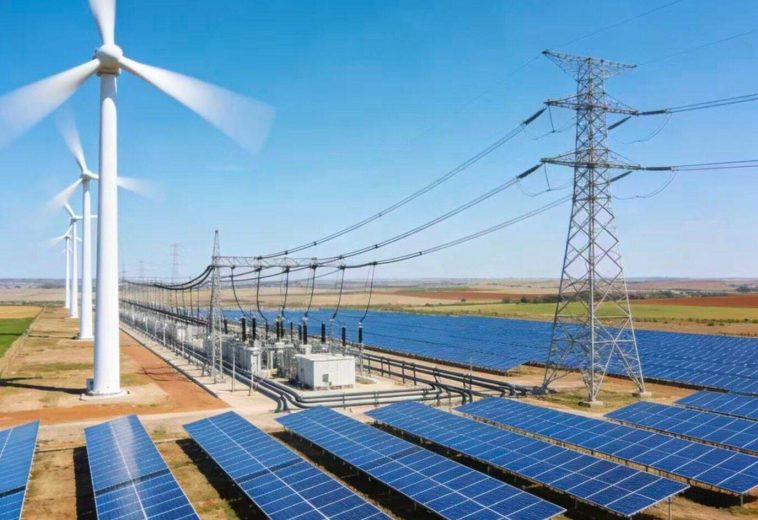
Africa’s economic transformation depends fundamentally on closing its persistent energy gap. Despite possessing some of the world’s richest renewable energy resources, the continent continues to grapple with inadequate infrastructure and unreliable electricity supply, limiting industrial growth, constraining small and medium-sized enterprises, and slowing improvements in living standards. Expanding access to clean, decentralised energy offers Africa a unique opportunity to build a resilient, competitive and sustainable economy while accelerating inclusive development.
Sub-Saharan Africa remains at the centre of the global energy access challenge. More than 600 million people across the region still lack access to electricity, accounting for the overwhelming majority of the world’s unelectrified population. Average electricity consumption stands at around 250 kilowatt-hours per person annually—far below the more than 4,000 kilowatt-hours consumed in many rapidly industrialising regions of East Asia. This disparity continues to widen the development gap and limits Africa’s ability to compete in the global economy.
READ ALSO: Africa’s Shared Grid: How Cross-Border Energy Fuels Prosperity
The consequences of unreliable electricity extend far beyond households. Manufacturing, which contributes only about 11 per cent of Africa’s GDP, continues to lag behind other emerging regions largely because businesses cannot depend on stable and affordable power. Across much of the continent, industries rely heavily on diesel generators to compensate for unreliable national grids. While these generators keep businesses operating, they significantly increase production costs, reduce competitiveness and contribute to environmental pollution.
The broader economic cost is equally significant. Inadequate energy infrastructure constrains the growth of manufacturing, agro-processing, healthcare, education and digital industries, all of which are essential for creating jobs and diversifying African economies. According to the World Bank, every one per cent increase in electricity access has the potential to generate approximately a 0.5 per cent increase in GDP growth, highlighting the central role that energy plays in driving sustainable development.
Recognising the limitations of extending conventional national grids to dispersed rural and peri-urban communities, many African countries are increasingly embracing decentralised renewable energy solutions. Solar mini-grids, standalone solar home systems, small-scale wind installations and hybrid renewable technologies are delivering reliable electricity directly to communities that have historically been excluded from national power networks.
These decentralised systems reduce transmission losses, lower infrastructure costs and provide dependable electricity closer to where it is needed most. Across Kenya, Tanzania and Nigeria, solar mini-grids are powering schools, healthcare facilities, agricultural processing centres and small businesses while creating thousands of skilled jobs in installation, maintenance and energy services. Programmes such as Mission 300 have already connected millions of households to off-grid electricity, reducing energy costs, improving quality of life and expanding economic opportunities.
Innovative financing models have played a decisive role in making renewable energy accessible. Pay-as-you-go financing, supported by the widespread adoption of mobile money platforms, enables households and businesses to purchase solar systems through affordable instalments rather than large upfront payments. In Nigeria, the Rural Electrification Agency has successfully combined grants, concessional financing and flexible repayment schemes to extend clean energy to communities previously regarded as commercially unviable.
Beyond expanding household electricity access, decentralised renewable energy is transforming local economies. Reliable electricity enables agro-processing facilities, cold storage centres, grain mills and packaging plants to operate closer to farming communities, allowing agricultural products to be processed locally instead of being exported as raw commodities. This creates higher-value supply chains, strengthens food security, increases farmers’ incomes and stimulates rural industrialisation.
Modern agriculture itself depends increasingly on reliable and affordable power. Cold storage facilities, irrigation systems, dairy processing plants and food preservation technologies all require dependable electricity. In Ethiopia’s dairy sector, solar-powered cooling systems have reduced post-harvest losses by as much as 30 per cent, helping farmers preserve product quality, increase market access and improve household incomes.
The success of the African Continental Free Trade Area (AfCFTA) also depends heavily on expanding reliable energy infrastructure. Manufacturing hubs, industrial parks and special economic zones require stable electricity to compete effectively within regional and global markets. Regional initiatives such as the West African Power Pool are strengthening cross-border electricity trade, improving grid stability and enabling countries to maximise shared energy resources while supporting deeper economic integration.
Scaling decentralised renewable energy will also become a major driver of employment. The International Renewable Energy Agency estimates that renewable energy expansion could generate more than 10 million jobs across Africa by 2030. These opportunities span manufacturing, engineering, construction, installation, operations, maintenance, research and technical services, providing meaningful employment for the continent’s rapidly growing youth population while supporting the transition to greener economies.
Unlocking this potential requires bold policy action and sustained investment. Governments must establish supportive regulatory frameworks, encourage private sector participation, expand access to affordable finance and invest in technical skills development. Development partners, financial institutions and regional organisations also have a critical role in mobilising capital, sharing expertise and strengthening cross-border collaboration to accelerate the deployment of decentralised renewable energy systems.
Closing Africa’s energy gap is far more than an infrastructure challenge—it is the foundation for inclusive economic transformation. Reliable, affordable and clean energy will strengthen industries, empower entrepreneurs, modernise agriculture and improve access to essential services, from healthcare to education. By embracing decentralised renewable energy as a cornerstone of development, Africa can build stronger economies, create millions of quality jobs and position itself as a global leader in sustainable industrialisation. The continent possesses the resources, innovation and determination to power a future defined not by energy shortages, but by opportunity, resilience and shared prosperity.