Can Africa’s creative industries become a stronger source of export earnings and enterprise growth? A new US$75 million financing commitment by the African Export-Import Bank (Afreximbank) to the Development Bank of Nigeria (DBN) is intended to help Nigerian businesses move closer to that goal.
Announced during the 2026 Creative Africa Nexus Weekend (CANEX WKND) in Lagos, the facility will expand access to finance for eligible small and medium-sized enterprises, particularly those operating in export-oriented sectors and the creative economy.
The financing will be channelled through DBN’s participating financial institutions, which will provide funding to eligible businesses. Its intended uses include working capital, acquisition of productive assets, pre-export and post-export activities, and supply chain operations. Enterprises in fashion, film, music, design and related creative industries are among the intended beneficiaries.
The agreement brings together two institutions with complementary roles. Afreximbank provides trade finance expertise, market access and regional infrastructure, while DBN works through participating financial institutions to expand wholesale financing for Nigerian micro, small and medium-sized enterprises.
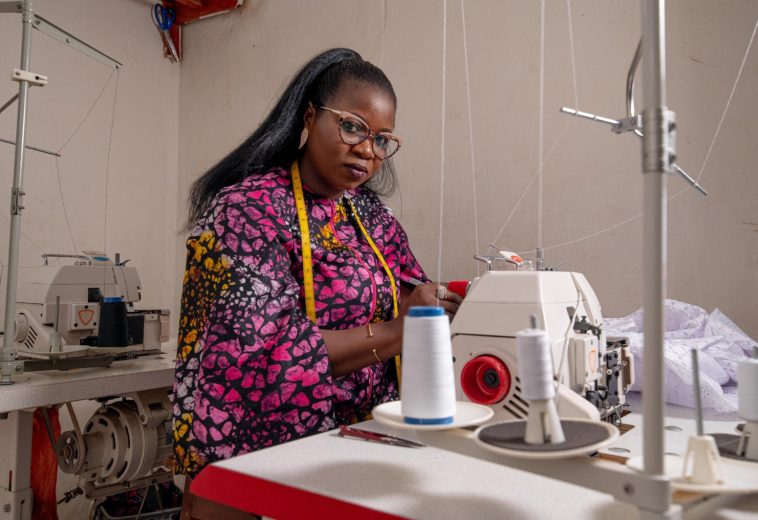
The partnership is significant because many creative businesses have valuable intellectual property, skilled personnel and commercial demand but struggle to secure the capital needed to expand production. A fashion enterprise, for example, may have orders but lack the working capital to purchase materials in bulk. A film production company may need financing to complete a project and distribute it across multiple markets. A design business may require equipment and skilled staff to meet larger contracts.
The facility is intended to address some of these constraints while helping businesses prepare for opportunities beyond Nigeria. Under Afreximbank’s Export SME Development Programme, financing will be accompanied by capacity-building and export-readiness support. The institutions also plan to strengthen participating financial institutions’ ability to assess and support export-oriented businesses.
Importantly, the partnership extends beyond lending. Beneficiary enterprises are expected to gain access to Afreximbank-supported trade platforms, including MANSA, TRADAR, the Pan-African Payment and Settlement System (PAPSS) and the African Trade Exchange. Additional market opportunities are expected through initiatives such as the Africa Buyer Programme, African Trade Distribution Company and Intra-African Trade Fair.
These platforms could help businesses address challenges that frequently limit cross-border trade, including finding buyers, completing payments, meeting market requirements and navigating unfamiliar commercial networks. Access, however, does not automatically translate into export success. Enterprises will still need competitive products, reliable production, appropriate certification and the capacity to fulfil orders.
The creative economy is an important part of this opportunity. African fashion, film, music and design have growing international visibility, but commercial success requires more than talent and audience interest. Businesses need financing structures that recognise the nature of creative production, where revenue may be uncertain, intellectual property is valuable, and returns can take time to materialise.
For Nigeria, the facility could strengthen the connection between creative talent and formal enterprise development. It also presents an opportunity for local financial institutions to improve their understanding of businesses whose assets and revenue models may differ from those of conventional trading or manufacturing companies.
The next measure of success will be how effectively the funding reaches eligible businesses, the terms on which they receive it and the results they achieve. Important indicators will include enterprise growth, new export contracts, production capacity, employment and the ability of businesses to repay financing and sustain operations.
Afreximbank’s partnership with DBN illustrates a broader development priority: African businesses need more than access to money. They need the financial infrastructure, expertise and market connections to compete beyond their domestic markets.
If implemented effectively, the US$75 million facility could help more Nigerian enterprises turn creative ability into commercially sustainable businesses, strengthen regional trade and expand Africa’s participation in global value chains.