Africa’s youthful population represents one of the continent’s greatest strategic advantages. With more than 60% of Africans under the age of 25, the continent possesses the world’s youngest population and an unprecedented opportunity to shape its economic and social future. Unlocking this demographic dividend will depend on sustained investment in education, technology, entrepreneurship, and sustainable development. Empowering young people is not only a moral responsibility but also an economic necessity capable of accelerating innovation, strengthening regional integration, and driving inclusive growth.
According to the United Nations Department of Economic and Social Affairs (UN DESA, 2022), Africa’s youth population is expected to reach approximately 830 million by 2030, representing almost 20% of the world’s young people. If effectively supported, this generation can become the engine of Africa’s economic transformation. If neglected, however, rising unemployment, social inequality, and economic stagnation could undermine the continent’s long-term development.
READ ALSO: Youth, Skills and Opportunity: The Employment Challenge Shaping Africa’s Future
Education remains the foundation of this transformation. Greater investment in vocational training, science, technology, engineering, and mathematics (STEM) education, alongside digital skills development, is equipping young Africans to compete in an increasingly technology-driven economy. Programmes delivered through governments, universities, international organisations, and private sector partners are expanding access to training in artificial intelligence, software engineering, cybersecurity, and digital literacy. These skills are enabling young innovators to develop practical solutions for challenges in agriculture, healthcare, financial services, and infrastructure while strengthening Africa’s knowledge economy.
Young entrepreneurs are also playing a leading role in Africa’s transition to clean energy. Across the continent, innovative businesses are developing solar-powered schools, off-grid electricity systems, waste-to-energy projects, and other renewable energy solutions that improve access to electricity while supporting climate action. Expanding these initiatives has the potential to create millions of green jobs, accelerate rural electrification, and strengthen Africa’s resilience to climate change.
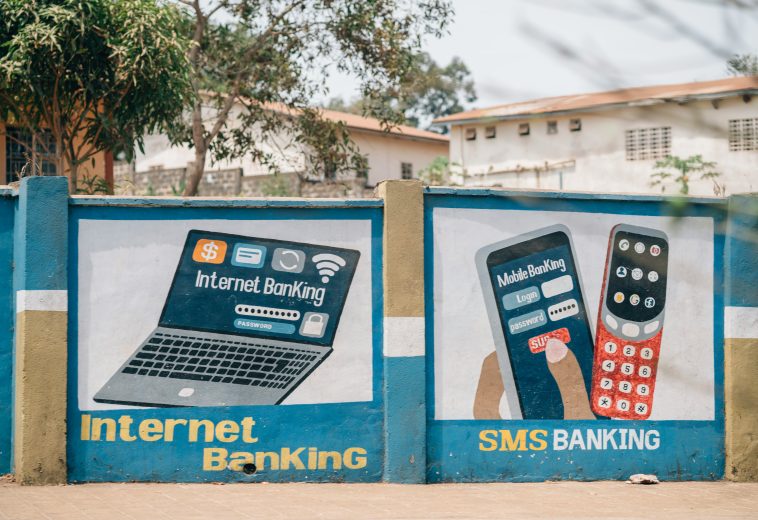
Financial technology has emerged as another powerful driver of opportunity. Mobile money platforms such as M-Pesa in Kenya and Paga in Nigeria have transformed financial inclusion by enabling millions of people to save, invest, borrow, and conduct secure digital transactions without relying on traditional banking infrastructure. Greater financial access is empowering young entrepreneurs to establish businesses, participate in the digital economy, and contribute to local economic growth.
Regional integration is creating even greater opportunities for youth-led enterprises. The African Continental Free Trade Area offers access to one of the world’s largest integrated markets, reducing barriers to trade while encouraging innovation, investment, and entrepreneurship. As trade procedures become more efficient and regional supply chains strengthen, young business leaders will be better positioned to expand beyond national borders and compete across the continent.
Africa’s rapidly expanding digital economy is further reinforcing this momentum. Technology hubs across cities such as Lagos, Nairobi, Cape Town, Kigali, and Cairo continue to nurture startups developing solutions in fintech, health technology, education, logistics, and artificial intelligence. These innovation ecosystems connect entrepreneurs with investors, mentors, and international markets, creating an environment where scalable businesses can thrive.
Higher education institutions are also strengthening Africa’s innovation capacity by producing skilled graduates in engineering, agriculture, medicine, and scientific research. Expanding research collaboration, improving university-industry partnerships, and encouraging entrepreneurship within higher education will help retain talent, reduce brain drain, and strengthen the continent’s long-term competitiveness.
Young Africans are increasingly contributing to public policy, peacebuilding, and democratic governance. Their growing participation in civic engagement, business leadership, and regional development demonstrates that sustainable progress depends on giving the next generation a meaningful voice in shaping Africa’s future. Supporting youth leadership today will strengthen institutions, promote social cohesion, and build more resilient societies.
Africa’s future will ultimately be determined by how effectively it invests in its greatest asset: its people. By expanding access to quality education, digital technology, sustainable energy, entrepreneurship, and regional markets, the continent can transform its demographic advantage into lasting prosperity. With visionary leadership, sustained investment, and meaningful opportunities for young innovators, Africa is well positioned to become one of the world’s leading centres of innovation, economic growth, and sustainable development in the decades ahead.