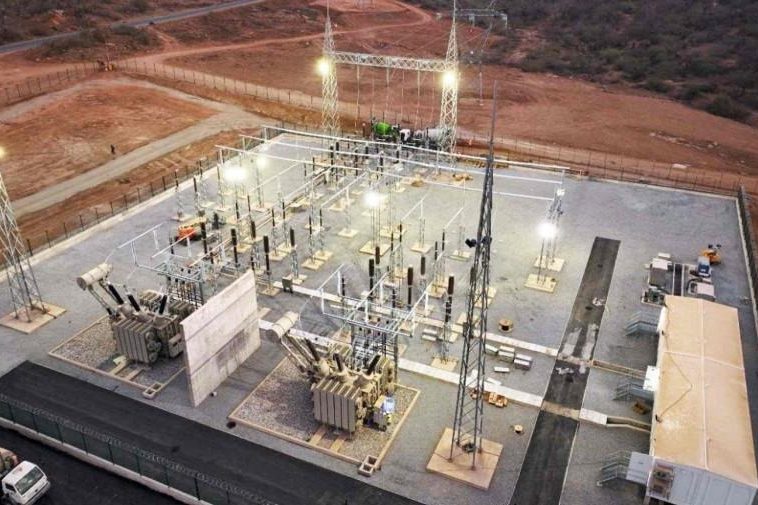
Africa’s clean-energy ambitions are entering a new phase, with growing recognition that generating electricity is only part of the challenge. The continent also needs modern transmission and distribution networks capable of moving power from where it is produced to homes, businesses and industries.
That challenge is receiving renewed international attention following the launch of the Global Grids Accelerator, a United Nations initiative designed to accelerate investment in electricity infrastructure across Africa and South-East Asia.
READ ALSO: Powering Progress: Africa’s Balanced Energy Approach
Launched by UN Secretary-General António Guterres on 23 September 2026, the initiative aims to help governments turn priority electricity projects into investable and operational infrastructure by bringing together policy expertise, project preparation, finance and implementation support.
The timing is significant. Renewable energy capacity is expanding rapidly, but grid infrastructure has not always kept pace. Around the world, more than 2,500 gigawatts of renewable-energy projects are reportedly waiting in grid-connection queues, highlighting the importance of transmission and distribution investment.
For Africa, stronger grids could support several priorities simultaneously: expanding electricity access, integrating renewable energy, strengthening regional power trade and creating the infrastructure needed for industrial growth.
The Global Grids Accelerator will build on initiatives already under way on the continent, including the Continental Power System Master Plan, the African Single Electricity Market, the Programme for Infrastructure Development in Africa and Mission 300. It will also support national energy compacts and regional interconnections.
Regional electricity interconnections are particularly important because they can allow countries to share power resources and improve the resilience of their electricity systems. A country with excess generation at a particular time could potentially supply another experiencing a shortfall, strengthening the efficiency of regional power markets.
The initiative also recognises that infrastructure projects require more than ambition. Governments need assistance preparing projects, attracting finance and moving developments from planning to construction.
The United Nations says the accelerator will bring together organisations including the UN Development Programme, UN Office for Project Services, Sustainable Energy for All, UN Economic Commission for Africa and UN Industrial Development Organization. Development finance institutions such as the African Development Bank and World Bank will also be engaged.
The economic implications extend beyond electricity itself. Reliable power supports hospitals and schools, allows businesses to operate more consistently and provides the foundation for manufacturing, digital services and modern agriculture.
It can also strengthen Africa’s renewable-energy transition. Solar, wind and hydropower projects can only deliver their full economic value when electricity can be transmitted efficiently to where it is needed.
The African opportunity is therefore not simply about producing more clean energy. It is about building the systems that allow that energy to reach people and power productive activity.
As Africa seeks to expand electricity access while developing new industries, modern grids could become one of the continent’s most important pieces of economic infrastructure. The Global Grids Accelerator provides another mechanism for aligning governments, investors, development institutions and technical partners around that objective.
For Africa, stronger electricity networks can mean more than brighter homes. They can support businesses, connect communities, enable industrialisation and help the continent capture more of the economic benefits of the clean-energy transition.