A new pipeline set to link Djibouti’s Damerjog port with Dewele in eastern Ethiopia promises to transform how fuel reaches one of Africa’s largest landlocked economies. Backed by Ethiopian Investment Holdings and the Dangote Group, the $660 million project carries significance far beyond fuel delivery. It stands as a powerful example of what African countries can achieve together, showing how shared infrastructure can cut trade costs, strengthen supply security, and fuel industrial growth across the region.
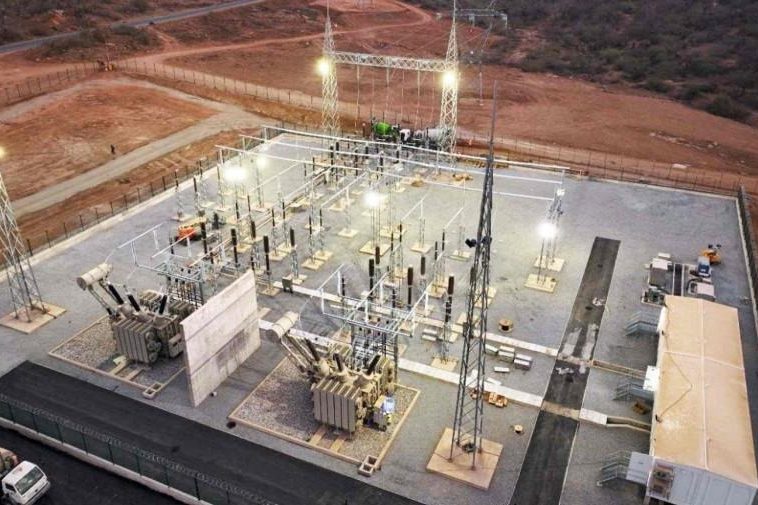
Ethiopia, Djibouti, and the Dangote Group have announced a $660 million refined petroleum products pipeline linking Damerjog in Djibouti to Dewele in Ethiopia. The 120km pipeline will include storage terminals of approximately 375,000 cubic metres at Damerjog and 800,000 cubic metres at Dewele, with a combined capacity of 1.18 million cubic metres. The project is expected to become operational within 18 months of groundbreaking. The partnership involves Ethiopian Investment Holdings, Dangote Industries, and Djibouti’s Great Horn Investment Holding.
READ ALSO: Nigeria’s People’s IPO: A Landmark Moment for Local Ownership
Ethiopia, a landlocked nation of about 130 million people, conducts the overwhelming majority of its trade through Djibouti’s ports. In the 2025/26 fiscal year, Djibouti handled 96.71% of Ethiopia’s import and export cargo, totalling 17.57 million metric tons. Fuel imports alone accounted for 4.23 million tons of that volume. This concentration creates both strategic importance and vulnerability, as disruptions along the Red Sea and Bab el-Mandeb directly threaten Ethiopia’s fuel supply.
The current supply chain requires petroleum products to travel approximately 750km by road from Djibouti to Addis Ababa, with each litre of fuel enduring a five-day journey on a truck. More than 1,000 fuel tankers travel the Djibouti-Ethiopia corridor each day, with petroleum products accounting for around 35% of truck movements. This creates congestion, high logistics costs, and exposure to delays from border procedures, vehicle shortages, and road disruptions.
Prime Minister Abiy Ahmed framed the project’s core benefit as reducing transit time from five days to approximately one day. Ethiopian Investment Holdings CEO Brook Taye said the pipeline will replace a substantial share of fuel volumes currently transported by tanker trucks, reducing delays and demurrage costs. Storage terminals at both ends will allow vessels to unload immediately, eliminating the port congestion that occurs when tanker capacity or storage is unavailable.
Ethiopia spends approximately $4.2 billion annually on fuel imports, straining foreign currency reserves. The country consumed about 3.93 million metric tons of fuel in 2023-24, with aviation fuel accounting for nearly a quarter. In March 2026, fuel shortages linked to Strait of Hormuz disruptions forced the government to urge citizens to conserve fuel and release national stockpiles. The pipeline is designed to strengthen resilience against such supply shocks by providing dedicated storage and transport infrastructure.
The project brings together Ethiopian state investment, Nigerian industrial capital, and Djiboutian logistics infrastructure. Abiy described it as “African investment at its centre,” emphasising regional ownership. Financing is supported by the African Export-Import Bank. The model reflects a growing effort to combine public-sector coordination with private capital and operational experience for infrastructure that might otherwise struggle to attract financing.
The 18-month operational target is described as ambitious for a project involving pipeline construction, terminals, cross-border coordination, and safety systems. Delays can arise from land access, procurement, engineering, financing, or regulatory approvals. The project should be measured through published milestones, not ceremony dates. The final economic impact will depend on actual operating costs, pipeline capacity, fees, maintenance, and distribution efficiency after fuel reaches Dewele.
Whether transport savings lower fuel prices is not automatic. The final price depends on imported fuel costs, exchange rates, taxes, pipeline tariffs, financing costs, distribution expenses, and government pricing policies. If pipeline tariffs or financing charges are high, expected transport savings may be absorbed before reaching fuel buyers. Transparent reporting of transport costs before and after commissioning will be needed to establish whether consumers and businesses benefit.
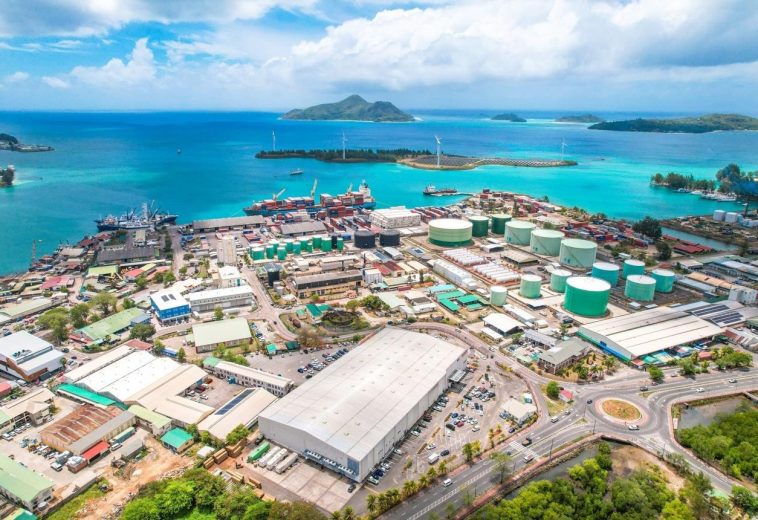
Aliko Dangote described the Damerjog-Dewele project as the first piece of an East African supply chain that will grow into nearly 4,000 kilometres of pipelines feeding landlocked markets. The project connects to the Damerjog Liquid Bulk Port, which has an oil jetty designed to handle up to 25 million tonnes annually, and the Damerjog-Nagad railway corridor. This integration with existing infrastructure reflects a systems approach to logistics rather than a standalone pipeline.
The Damerjog-Dewele pipeline represents a test of whether African governments and investors can deliver cross-border infrastructure that reduces logistical friction. For Ethiopia, the potential gains are faster inland delivery, more storage, and less dependence on tanker trucks. For Djibouti, it reinforces its position as a regional logistics hub. The decisive measure will not be the project’s cost or launch ceremony, but whether it delivers fuel more reliably and affordably, and whether resulting savings support households, businesses, and regional trade.