West Africa’s energy sector is undergoing one of its most important transformations in decades. Unlike the past, when oil and gas dominated the region’s energy agenda, today the momentum is increasingly coming from solar expansion, regional power integration, and local manufacturing. A region once defined by chronic electricity shortages is steadily building the foundations of a renewable energy economy, with Nigeria playing a central role in this transition. This shift is no longer theoretical; it is being driven by measurable investments, policy reforms, and growing regional demand.
For many years, West Africa’s energy systems were characterised by unreliable electricity, heavy dependence on diesel, and weak transmission infrastructure. These constraints limited industrial growth, increased operating costs for businesses, and slowed regional economic integration. Today, however, the region is beginning to harness one of its greatest natural advantages, abundant solar resources, to create a decentralised and scalable energy system.
READ ALSO: Nigeria Building Eight Renewable Energy Factories
This transition is being powered by three major developments: the growth of local manufacturing, the expansion of distributed renewable energy systems, and increasing regional grid integration. Together, these shifts are helping West Africa move away from energy scarcity toward a more resilient and industrially productive energy model.
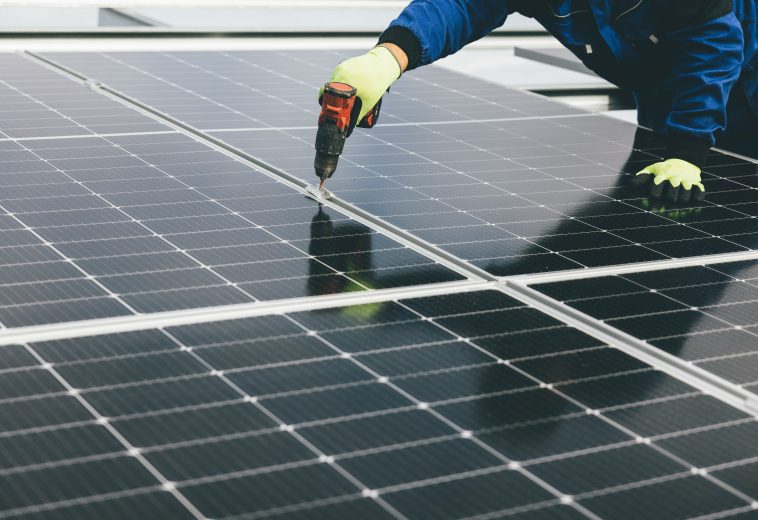
Nigeria provides one of the clearest examples of this transformation. In just two years, the country has expanded its solar manufacturing capacity from 120 megawatts to 300 megawatts, with long-term projections reaching 3.7 gigawatts. At the same time, more than $425 million has been committed to building eight new manufacturing plants. Import patterns are also changing, with Nigeria increasingly bringing in solar components for domestic assembly rather than relying on fully imported finished products. This shift reflects the gradual development of a local renewable energy manufacturing base with export potential.
Nigeria is already beginning to export locally assembled solar panels to neighbouring countries, marking an important step toward regional energy leadership. This reduces dependence on imported equipment from Asia and Europe while supporting faster deployment of renewable energy systems across West Africa. Countries such as Ghana, Benin, Niger, Chad, and Mauritania are increasingly looking at Nigeria’s off-grid and mini-grid systems as models that can be adapted to their own electrification strategies.
Regional integration is reinforcing this momentum. The West African Power Pool is working to connect national electricity grids into a unified regional market. Infrastructure projects such as the CLSG Interconnector are enabling countries to trade electricity across borders, allowing surplus power in one area to meet shortages in another. This interconnected approach reduces inefficiencies and lowers the need for every country to independently build excess generation capacity.
Regulatory reform is another important driver of the region’s progress. Across West Africa, governments are expanding mini-grid regulations, introducing financing mechanisms that attract private investors, and implementing local content policies to encourage domestic participation in renewable energy projects. These measures create the predictability investors need for long-term infrastructure development and strengthen confidence in the renewable energy market.
The benefits of this transition extend beyond the energy sector. More reliable electricity reduces costs for manufacturers, improves the competitiveness of small businesses, and supports industrial development. The renewable energy sector is also creating jobs in manufacturing, engineering, installation, maintenance, and project finance. Businesses that previously depended on costly diesel generators are gaining access to cheaper and cleaner alternatives, improving efficiency and reducing vulnerability to fuel price volatility.
This progress also supports the goals of the African Continental Free Trade Area by addressing one of the biggest barriers to regional trade: unreliable power supply. As electricity becomes more stable and affordable, manufacturing and logistics operations become more viable across the region, supporting greater intra-African trade and industrial growth.
Despite the progress, significant challenges remain. Transmission infrastructure in many countries still lags behind growing generation capacity, access to affordable long-term capital remains limited, and differences in national regulations can slow cross-border projects. Currency volatility also adds risk for long-term renewable energy investments. However, these barriers are increasingly being addressed through regional policy coordination and innovative financing models.
Looking ahead, the ECOWAS Renewable Energy Policy targets a 48% renewable share in electricity generation by 2030, alongside expanded electricity access and stronger regional power trade. If these targets are achieved, West Africa could emerge as one of the most dynamic renewable energy markets in the developing world.
West Africa’s renewable energy transition represents more than a change in power generation. It reflects a broader economic transformation, one that moves the region from dependence on imported energy solutions toward locally driven industrial growth. For Nigeria, this means evolving from an energy consumer into a regional supplier of renewable technologies. For West Africa as a whole, it marks the beginning of a more integrated, resilient, and self-sustaining energy future—one that could redefine the region’s economic trajectory for decades to come.