West Africa is entering another important phase in its development journey, with a fresh financing push aimed at tackling some of the region’s most persistent challenges.
The ECOWAS Bank for Investment and Development (EBID) has approved more than $500 million in financing for projects in Guinea, Ghana and Sierra Leone, covering areas including roads, healthcare, renewable energy and private-sector development.
READ ALSO: West Africa’s Fuel Ambition: Building a Regional Market for Refined Petroleum
The announcement comes as countries across the region look for practical ways to improve infrastructure, strengthen businesses and create jobs.
The importance of the financing lies not only in the amount involved, but also in the sectors being targeted.
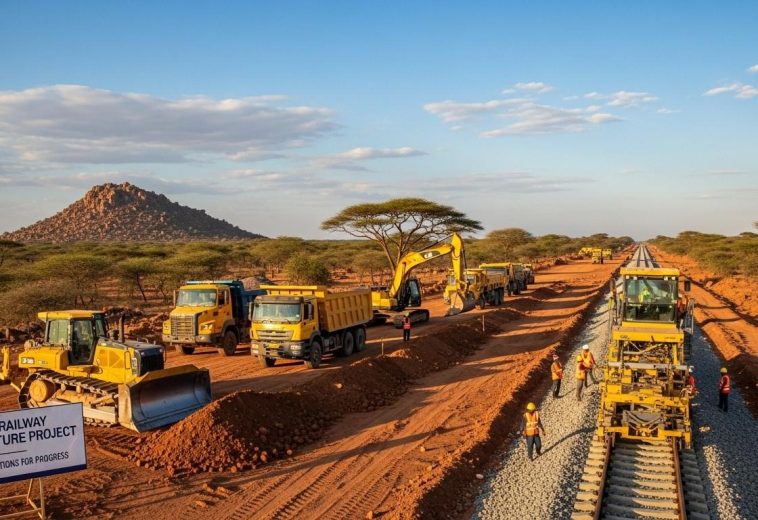
Transport infrastructure remains one of West Africa’s biggest economic priorities.
Poor roads and weak transport links can make it expensive for farmers to move produce, manufacturers to reach customers and businesses to trade across borders.
Investment in roads can help reduce these costs while connecting rural communities to major towns, industrial centres and ports.
This matters even more as African countries work to increase trade under the African Continental Free Trade Area.
A trade agreement can open markets, but businesses still need reliable infrastructure to move goods between them. Better roads and transport networks can therefore become an important part of turning regional trade ambitions into reality.
Energy is another major focus.
Many businesses across West Africa continue to deal with unreliable electricity and high operating costs. Some companies depend on generators or other backup systems, increasing the cost of production.
Renewable energy investment could help change this.
West Africa has strong solar resources, while renewable technologies are becoming increasingly affordable. Expanding clean energy can help provide electricity to communities while giving businesses a more reliable source of power.
For manufacturers, farmers, technology companies and service providers, dependable electricity is not a luxury. It is a requirement for growth.
Healthcare investment also forms part of the financing package.
Better hospitals and healthcare facilities can have an economic impact that extends beyond the health sector.
A healthier workforce is more productive, while families with better access to medical care are less likely to face financial disruption caused by untreated illness.
Healthcare projects can also create employment and generate demand for local construction, equipment, professional services and supply chains.
Perhaps most importantly, the financing places attention on private-sector development.
West Africa has a large and energetic entrepreneurial community, but many businesses struggle to obtain the capital needed to expand.
Small and medium-sized businesses often face difficulties accessing affordable finance, even when they have viable products and customers.
Development finance can help businesses invest in equipment, increase production, hire workers and enter new markets.
The impact can spread through the wider economy. A growing manufacturer, for example, creates opportunities for transport companies, suppliers, distributors and other smaller businesses.
The real test of the EBID commitment will be implementation.
The region needs projects that are completed on time, managed properly and designed to produce lasting economic benefits.
For West Africa, the opportunity is significant. The region has a young population, growing markets, abundant natural resources and entrepreneurs capable of building competitive businesses.
What it needs is stronger infrastructure and the capital to support those strengths.
The latest EBID financing is therefore more than another development announcement. If successfully implemented, it could help improve transport, expand energy access, strengthen healthcare and give businesses greater room to grow.
Ultimately, West Africa’s development will not be measured by the amount of money committed. It will be measured by the roads that are built, the businesses that expand, the communities that gain access to power and healthcare, and the jobs created as a result.
That is where the real value of this latest financing will be found.