Africa’s vast economic potential is within reach through integrated regional corridors and cross-border infrastructure networks that unlock trade, mobility and resilience. These investments are helping turn fragmented markets into connected hubs, attracting substantial private and institutional capital while reshaping regional development.
The continent invests only 4% of GDP in infrastructure, compared with China’s 14%, creating a $68–108 billion annual funding gap that costs 2% in per capita GDP growth and up to 40% in business productivity. Logistics costs, which exceed 60% of goods’ value in some corridors compared with a global average of 10–15%, make regional manufacturing economically unviable before products even reach the market.
READ ALSO: Africa’s Digital Trade Revolution: Building the Infrastructure for a Single African Market
More than 20 African nations face debt distress, with average debt-to-GDP ratios exceeding 60%. Investors demand sovereign guarantees that governments cannot credibly provide, while governments lack the capital needed for infrastructure that could improve their creditworthiness. Corridor strategies can help break this deadlock by pooling demand and spreading risk across multiple sovereign entities.
The Abidjan-Lagos corridor links five countries representing more than 70% of West Africa’s GDP, creating a $250 billion market serving 35 million people. World Bank research shows that corridors generate agglomeration effects that can amplify productivity by 15–30% beyond dispersed investments, creating the conditions for competitive modern industries.
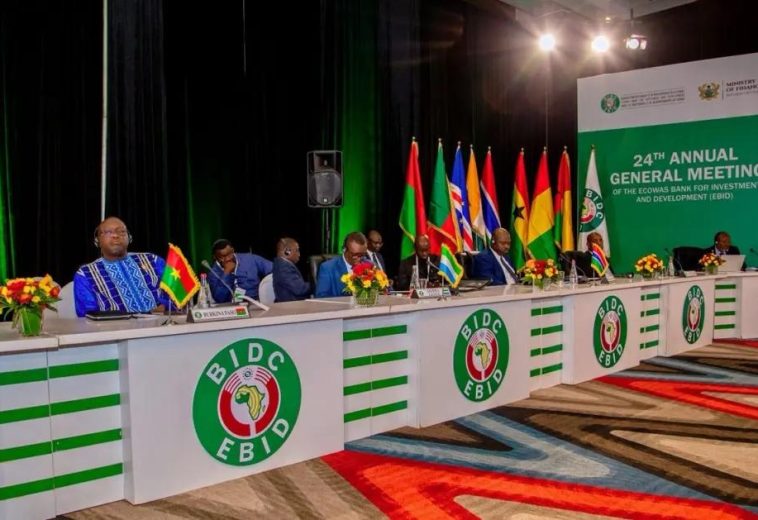
The $510 million from EBID and $255 million for Lobito serve as first-loss capital, absorbing some of the early-stage risks that deter commercial investors. Every dollar of multilateral financing can mobilise $3–7 in private co-financing, as demonstrated by the Abidjan-Lagos corridor’s evolution from AfDB seed funding to commercial bank commitments.
One-Stop Border Posts (OSBPs) reduce crossing times by up to 80% by consolidating inspections. The Busia OSBP cut crossing times from 24 hours to under four hours, increasing trade volumes by 15% within a year at a fraction of the cost of major physical infrastructure.
The $15.2 billion highway connects ports handling more than 80% of West Africa’s maritime trade. Completion will reduce freight costs by 40% and cut transit times from more than 10 days to under three days, the difference between competitive regional suppliers and being displaced by imports.
The DRC supplies more than 70% of global cobalt, with demand projected to increase 20-fold by 2040. The corridor provides a direct route to Atlantic ports, bypassing congested alternatives and positioning Angola, Zambia and the DRC to capture more of the value chain.
Sierra Leone’s Babadorie facility demonstrates that corridor returns require synchronised, complementary infrastructure. African infrastructure failures disproportionately stem from gaps between connected systems: power outages can cripple water treatment, water shortages can halt production, and transport failures can leave goods stranded.
PIDA has identified more than 50 priority corridors, yet fewer than 20% are under active implementation. UNECA found that many barriers are institutional: overlapping mandates, inconsistent regulations and the absence of corridor management authorities. Lobito’s tripartite agreement provides a model that could be replicated elsewhere.
Closing Africa’s infrastructure gap could add $2.4 trillion to continental GDP by 2050. The evidence from Lagos-Abidjan and Lobito is compelling; the question is whether governments can summon the institutional discipline and political will to execute at scale. The deficit is a policy choice, and corridors are the instrument for choosing differently.