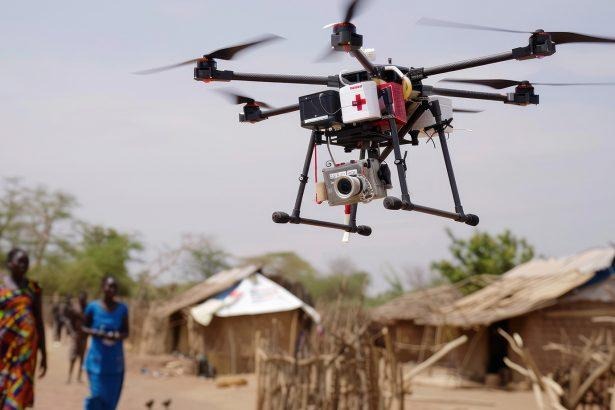
Africa’s scientific and technological future is increasingly being shaped by women who are redefining what is possible across research, engineering, healthcare, artificial intelligence, biotechnology, and space science. From pioneering life-saving medical discoveries to advancing cutting-edge technologies, African women are helping solve some of the continent’s most pressing challenges while strengthening its position as a growing centre of scientific excellence and innovation. Their achievements are inspiring a new generation of researchers and demonstrating that inclusive innovation is essential to Africa’s long-term development.
Despite this progress, women remain underrepresented across many Science, Technology, Engineering, and Mathematics (STEM) professions. According to UNESCO, women account for approximately 30 percent of researchers in Sub Saharan Africa, highlighting the need for greater gender representation within research institutions, academia, and scientific leadership. Encouragingly, Africa has one of the world’s highest proportions of female STEM graduates, with women making up nearly 47 percent of graduates in these disciplines. The challenge is no longer attracting women into STEM education but ensuring they progress into senior research, executive, and policy-making positions where they can shape the future of innovation.
READ ALSO: From Potential to Plenty: Paths to Unlocking Africa’s Agrifood Systems
Across the continent, African women are already demonstrating the transformative impact of inclusive scientific leadership. South African epidemiologist Professor Quarraisha Abdool Karim has earned global recognition for her pioneering HIV prevention research, influencing public health policy and advancing medical science worldwide. Her work has saved lives while reinforcing Africa’s growing contribution to global health research.
In another field, Nigerian aerospace engineer Dr Temidayo Oniosun has played a leading role in advancing Africa’s space technology ecosystem through research, satellite applications, and space policy. Across engineering, biotechnology, renewable energy, and digital innovation, women scientists are developing practical solutions to improve agricultural productivity, strengthen climate resilience, expand healthcare access, and accelerate digital transformation.
Organisations dedicated to promoting women in STEM continue to play a critical role in expanding opportunities. The Working to Advance African Women (WAAW) Foundation provides scholarships, mentorship, leadership development, and technical training for girls and young women pursuing careers in science and engineering. Through its programmes, thousands of aspiring scientists have gained the skills, confidence, and professional networks needed to succeed in fields where women have traditionally been underrepresented.
At the continental level, the African Union’s Science, Technology and Innovation Strategy for Africa (STISA 2034) provides a long-term framework for strengthening research, promoting innovation, and increasing women’s participation in STEM disciplines. The strategy recognises that inclusive scientific development is fundamental to achieving sustainable economic growth, industrialisation, and technological competitiveness across Africa.
The rapid growth of Africa’s digital economy is creating even greater opportunities for women scientists and engineers. Emerging fields such as artificial intelligence, cybersecurity, robotics, biotechnology, aerospace engineering, data science, and climate technology are generating strong demand for highly skilled professionals. African women are increasingly contributing to machine learning, software engineering, satellite technology, mathematical modelling, and climate research, helping position the continent as an important contributor to global technological advancement.
Nevertheless, important challenges remain. Gender stereotypes continue to discourage many girls from pursuing science subjects from an early age, while unequal access to quality science education, limited laboratory facilities, inadequate research funding, and a shortage of female mentors restrict opportunities for many aspiring scientists.
Even after entering STEM careers, women often encounter slower career progression, unequal pay, fewer leadership opportunities, and the ongoing challenge of balancing professional and family responsibilities. Overcoming these barriers requires sustained collaboration between governments, educational institutions, industry, and development partners.
Greater investment in STEM education, scholarships, mentorship programmes, research funding, and leadership development can help ensure that more women not only enter scientific careers but flourish within them. Encouraging girls to develop an interest in science from primary school through outreach programmes, practical learning experiences, and visible role models will strengthen Africa’s future pipeline of innovators.
The private sector also has a critical role to play by creating inclusive workplaces, supporting women-led research, investing in innovation, and providing leadership opportunities for female scientists and engineers. Universities and research institutions can reinforce these efforts by promoting equitable recruitment, career advancement, and international research collaboration.
Africa’s ambitions in digital transformation, industrialisation, healthcare innovation, renewable energy, and climate resilience will depend on the strength and diversity of its scientific workforce. Investing in women and girls in STEM is therefore not only a matter of gender equality but also a strategic investment in the continent’s future competitiveness. As more African women continue to push the boundaries of discovery, they are doing far more than breaking barriers. They are shaping a more innovative, inclusive, and globally competitive Africa for generations to come.