The Democratic Republic of Congo, long defined by its vast mineral wealth, is now making a calculated shift towards agriculture, food security, and industrial diversification. At the centre of this transition is the Sakania sugar refinery in Haut-Katanga—a project that signals more than agricultural ambition. It reflects a broader effort to rethink how resource-rich nations build resilience and secure long-term economic stability.
For decades, the DRC has been synonymous with cobalt, copper, and coltan—minerals that power everything from smartphones to electric vehicles. The launch of the Sakania refinery, however, points to a more complex objective: reducing reliance on extractive industries while building a sustainable domestic economy.
READ ALSO: Kenya’s Agriculture Secures Landmark China Trade Deal
At its core, the project is designed to replace over $150 million in annual sugar imports, strengthen local agro-industrial value chains, create employment, and reduce exposure to global commodity shocks. As Minister Muhindo Nzangi Butondo noted, the initiative represents a decisive step towards food security. It is not a retreat from mining, but a strategic effort to balance it.
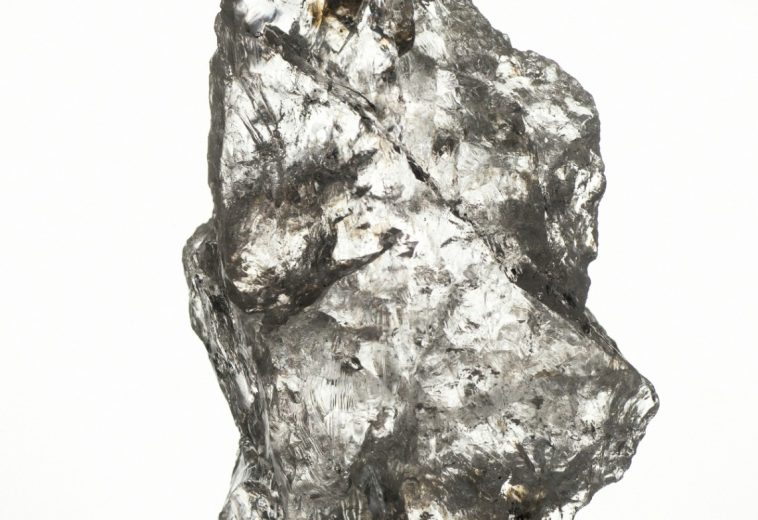
The significance of this move becomes clearer when viewed against the backdrop of the DRC’s mineral dominance. The country supplies roughly 70% of the world’s cobalt and remains one of the largest producers of copper globally. With an estimated $24 trillion in untapped resources and up to two million people engaged in artisanal mining, the sector remains the backbone of the economy.
Yet this strength comes with inherent vulnerabilities. Commodity price fluctuations, external market dependence, and governance challenges have historically limited the broader economic benefits of mineral wealth. In many ways, the DRC embodies the classic “resource curse”—where abundance does not translate into inclusive development.
Recent economic data reinforces this paradox. While the country recorded strong growth in 2025, with GDP (PPP) reaching approximately $210.4 billion, this expansion has been driven largely by mining exports. Meanwhile, per capita income remains low, at around $1,975, highlighting the gap between national wealth and everyday prosperity.
The roots of this imbalance run deep. Much of the DRC’s economic infrastructure was originally designed during the colonial era to facilitate extraction and export, rather than domestic development. Post-independence instability further entrenched this pattern, with mineral resources often fuelling conflict, particularly in the trade of tin, tantalum, tungsten, and gold. Despite a resurgence in foreign investment in recent years, governance and transparency challenges have continued to limit the country’s ability to convert resource wealth into broad-based progress.
Against this backdrop, the Sakania sugar refinery represents a deliberate attempt to correct structural imbalances. Unlike mining, which is export-oriented, capital-intensive, and highly volatile, agro-industrial projects such as Sakania offer more localised and labour-intensive opportunities. They create value within the domestic economy, support rural development, and reduce dependence on imports.
Importantly, the project is not intended to compete with mining, but to complement it. By building a parallel agro-industrial base, the DRC can begin to cushion itself against the volatility of global commodity markets while conserving foreign exchange and expanding employment.
This approach aligns with earlier efforts to stabilise the mining sector, including regional certification schemes and international frameworks such as the Kimberley Process. However, the mixed outcomes of these initiatives have underscored a critical lesson: reforms within extractive industries alone are not enough. Broader economic diversification is essential.
Looking ahead, the DRC’s trajectory may depend on its ability to successfully manage a dual economic strategy. On one hand, it must continue to leverage its indispensable role in global supply chains for critical minerals, particularly as demand rises in the transition to clean energy. On the other, it must invest in sectors that build domestic resilience and generate inclusive growth.
The Sakania project could serve as a catalyst in this regard. Beyond sugar production, it has the potential to stimulate wider agro-processing industries, strengthen rural economies, and lay the groundwork for industrial expansion. If executed effectively, it could help reposition the DRC, not just as a supplier of raw materials, but as a more diversified and self-sustaining economy.
For a country of immense natural wealth, the challenge has never been resources. It has been transformation. The Sakania sugar refinery may not solve that challenge on its own, but it signals a shift in thinking, one that prioritises value creation at home, rather than extraction for export.