Africa’s energy story is shifting from power generation to reliable delivery, driven by the rapid expansion of solar battery storage. With capacity projected to grow by more than 20% annually through 2030, the continent is moving from intermittent access to dependable, dispatchable power. This marks a structural shift with direct implications for reliability, industrialisation, and long-term energy resilience.
For decades, Africa’s electricity challenge was defined by access. Today, it has evolved into a more complex issue: consistency of supply. Solar generation alone cannot fully address this due to its intermittent nature. Battery storage, however, is changing that equation.
READ ALSO: Integrated Infrastructure Reshapes Africa’s Food and Energy Future
Between 2017 and 2024, Africa’s installed battery storage capacity increased more than fiftyfold, rising from just 31 MWh to over 1.6 GWh. This growth has been driven by several converging factors. Lithium-ion battery costs declined significantly, falling by about 20% in 2024 alone. At the same time, worsening grid instability and rising demand for uninterrupted power accelerated adoption.
Equally important is the shift from donor-funded pilot projects to commercially viable deployments. Projections now point to approximately 83 GWh of installed capacity by 2030. According to the Africa Finance Corporation, this trajectory is fundamentally reshaping how electricity is generated, stored, and consumed across the continent.
Battery storage is transforming solar energy from an intermittent daytime resource into a reliable, round-the-clock power source. It enables night-time supply, supports peak load management, and reduces dependence on costly diesel generators. This is particularly critical in regions affected by frequent grid outages.
More importantly, energy reliability is becoming directly linked to industrialisation. With stable power, sectors such as manufacturing, agro-processing, and cold storage can operate continuously and competitively.
Momentum is strongest in key markets such as South Africa, Nigeria, Egypt, and Kenya. Each reflects a different deployment pathway, ranging from large-scale grid projects to distributed commercial systems. Across the continent, businesses and off-grid communities are increasingly bypassing unreliable national grids by adopting solar-plus-storage solutions.
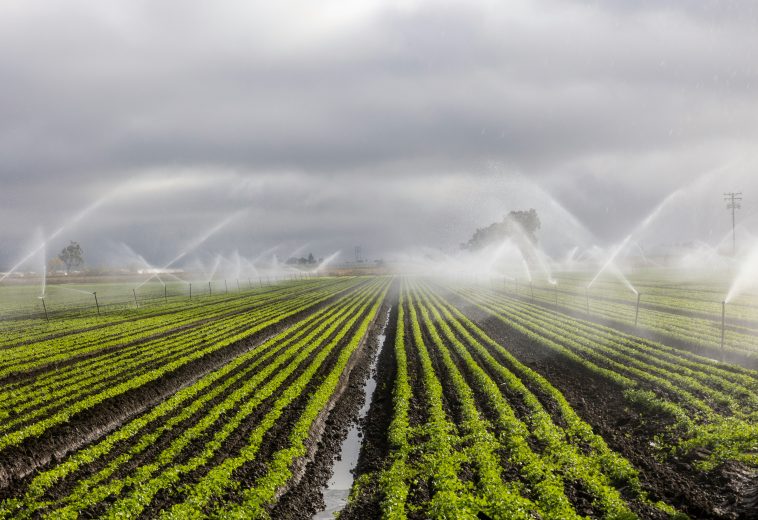
This shift is redefining energy as a controllable and reliable input for economic activity. It is also extending power access for productive uses such as irrigation, refrigeration, and small-scale manufacturing, reinforcing its role in inclusive economic development.
Africa also holds a strategic advantage as a major resource hub. The continent possesses significant reserves of lithium, cobalt, manganese, and graphite. This creates an opportunity to participate across the full battery value chain, from extraction and processing to manufacturing and deployment.
Countries like Nigeria are already positioning themselves within this ecosystem. With expanding solar manufacturing capacity, a growing project pipeline, and innovative financing mechanisms, Nigeria is accelerating mini-grid deployment and emerging as a regional hub for distributed energy solutions.
The storage boom is being financed through a mix of development finance, private equity, and public-private partnerships. However, the investment landscape remains uneven. Policy inconsistency, currency volatility, and limited grid infrastructure continue to constrain growth in some markets.
Other persistent challenges include limited access to financing in smaller economies, unclear regulatory frameworks for storage integration, uneven market development, and a shortage of local technical expertise. If not addressed, these factors could slow progress.
By 2030, Africa’s energy architecture is expected to look very different. Hybrid power systems will likely become the norm, supported by decentralised supply through mini-grids and stronger industrial linkages to energy infrastructure.
This represents a fundamental shift. Reliability, not just access, is becoming the new frontier of Africa’s energy transition. By aligning falling technology costs with its natural resource advantage and rising demand, the continent is building a decentralised and resilient energy system.
In doing so, Africa is transforming power from a constraint into a catalyst for its next phase of economic growth.