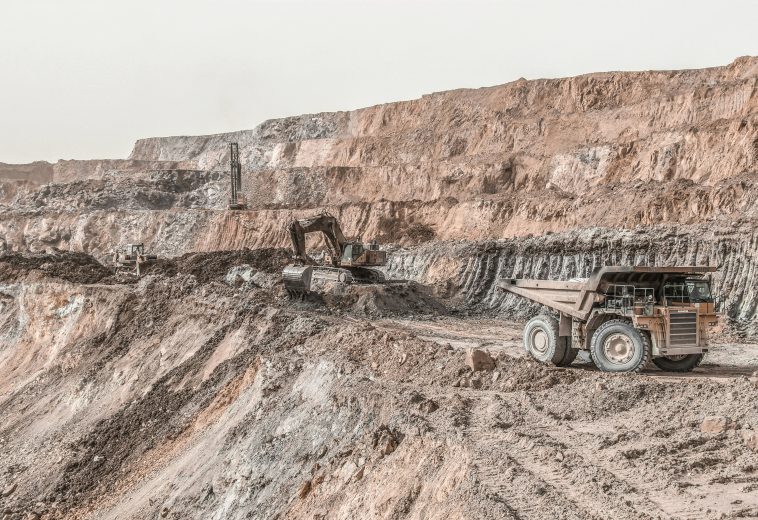
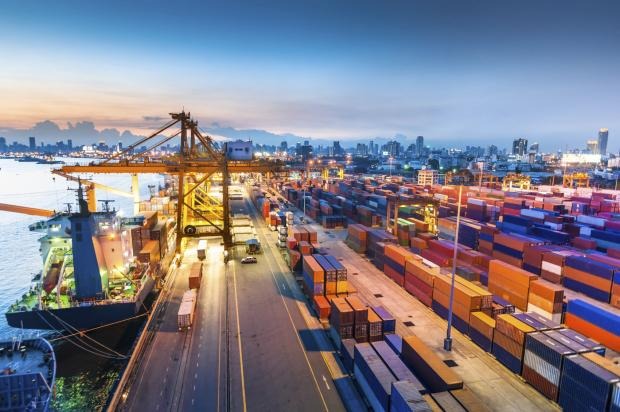
Growing global demand for copper is creating new opportunities for Zambia as the world accelerates the transition towards cleaner energy systems. As electric vehicles, renewable energy technologies, and modern electricity networks require increasing quantities of the metal, Zambia is expanding its mining sector and seeking to strengthen its position within global mineral supply chains.
Copper has become one of the most strategically important minerals supporting the energy transition. It is essential for electric vehicle batteries, wind turbines, solar installations, electricity transmission networks, and a wide range of industrial technologies. As demand continues to rise, resource-rich countries such as Zambia are attracting renewed attention from investors and manufacturers seeking secure and reliable supplies.
READ ALSO: From Renewable Energy to Data Centres: Kenya’s Strategy for Digital Leadership
The Zambian Government has responded by pursuing an ambitious strategy to increase copper production while encouraging greater investment throughout the mining sector. National plans aim to raise annual production to around three million tonnes over the coming years, reflecting the country’s intention to play a larger role in meeting future global demand.
A significant development supporting these ambitions is the discovery of the Mingomba copper deposit in the Copperbelt Province. Backed by KoBold Metals, the project is regarded as one of the most promising high-grade copper discoveries in recent decades. The investment has attracted international interest and demonstrates the continued exploration potential of Zambia’s mineral resources.
Beyond expanding production, Zambia is placing increasing emphasis on value addition. Rather than relying solely on exports of raw copper, the country is seeking to develop downstream industries that process minerals into higher-value products. In partnership with the Democratic Republic of the Congo, Zambia is exploring opportunities to establish battery materials processing and refining facilities capable of serving the growing electric vehicle industry.
Developing regional processing capacity would allow more economic value to remain within Africa while supporting industrial development, creating skilled employment, and strengthening regional supply chains. These efforts also align with broader continental initiatives aimed at increasing mineral beneficiation and reducing dependence on exports of unprocessed raw materials.
Energy security has become another important aspect of Zambia’s mining strategy. Historically, electricity generation has depended heavily on hydropower, leaving the country vulnerable to droughts and changing rainfall patterns. In response, mining companies and energy developers are investing in renewable energy projects, particularly solar generation, to improve electricity reliability and reduce operational risks.
The integration of renewable energy into mining operations also supports global efforts to reduce carbon emissions throughout mineral supply chains. Increasingly, international manufacturers and investors are placing greater emphasis on sourcing minerals produced through environmentally responsible practices.
The expansion of Zambia’s mining sector has wider economic implications. Increased production is expected to generate employment, attract foreign direct investment, and stimulate demand for supporting industries such as engineering, logistics, transport, construction, and business services. If accompanied by continued investment in processing and manufacturing, the sector could contribute to broader industrial diversification.
Copper demand is projected to remain strong over the coming decades as countries invest in electrification, renewable energy infrastructure, and modern power networks. This presents Zambia with an opportunity not only to increase exports but also to strengthen its participation across higher-value segments of the mineral supply chain.
At the same time, achieving these ambitions will require continued investment in infrastructure, reliable energy supply, regulatory stability, environmental management, and workforce development. Expanding production sustainably while ensuring that mining benefits local communities will remain central to the sector’s long-term success.
As the global economy continues its transition towards cleaner energy technologies, Zambia is seeking to strengthen its role as a major supplier of one of the world’s most important industrial minerals. Through increased production, downstream processing, regional cooperation, and investment in cleaner energy, the country is working to position its mining industry to support both domestic economic development and the evolving demands of the global energy transition.