For years, Africa’s relationship with its diaspora in the United States has been framed almost entirely around remittances, money sent home to support families and everyday consumption. That picture, while still true, is no longer the whole story. A growing number of African engineers, researchers, entrepreneurs and executives now sit inside the world’s most influential technology ecosystem, and the continent is beginning to treat that presence as something far more valuable than a source of foreign currency.
According to the Migration Policy Institute, around 2.5 million immigrants from sub-Saharan Africa were living in the United States as of 2024, with close to half holding university degrees. Many work in artificial intelligence, cloud computing, semiconductors, healthcare technology and finance, industries that sit at the centre of global innovation. Their value to Africa lies less in what they can send home and more in what they already understand: how global companies evaluate new ideas, how products reach international markets, and what investors look for before writing a cheque.
READ ALSO: Africa’s Homegrown Innovation: Technology Companies Tackling African Challenges
That dual fluency, in Silicon Valley’s systems and in African markets, positions the diaspora as a natural bridge between two innovation ecosystems that have so far interacted mostly through one-way funding flows. A fintech founder in Lagos seeking an introduction to enterprise clients in California, a research team in Nairobi looking for a laboratory partner in the United States, or a health-tech company in Kigali drawing on the expertise of African physicians abroad: these are the kinds of relationships now being described as an emerging innovation corridor.
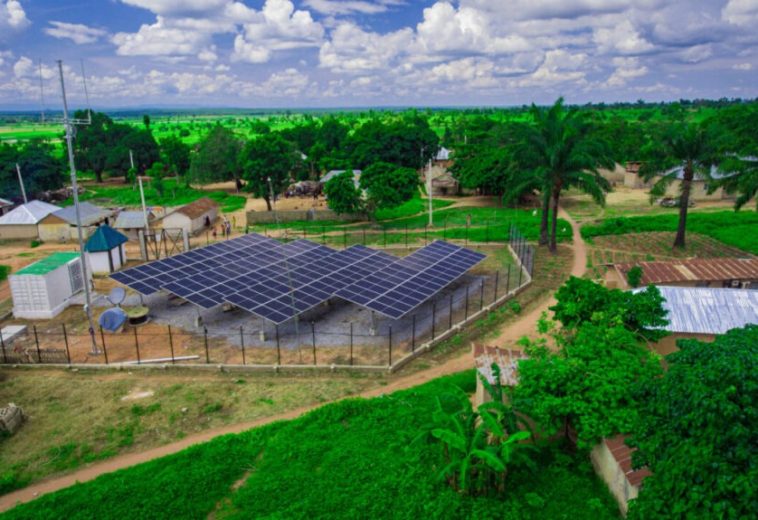
Building that corridor requires more than goodwill. Africa’s own innovation ecosystem still needs the underlying infrastructure that allows ideas to become globally competitive businesses, reliable electricity, fibre connectivity, data centres, research institutions and a pipeline of skilled talent. Artificial intelligence in particular depends on this foundation. Without it, African innovators risk remaining consumers of technology built elsewhere rather than producers of it.
Efforts to formalise these connections are already under way. Platforms such as the Africa Business Investment Summit are being positioned as spaces where entrepreneurs, investors, researchers, corporations and policymakers from both sides of the Atlantic can build the kind of sustained relationships that outlast a single conference. The real test, organisers say, will not be the number of agreements signed in a room but what happens months later: how many start-ups secure investment, how many research partnerships launch, and how many entrepreneurs gain lasting access to new markets.
What is emerging is a shift in ambition. Rather than treating the diaspora purely as a financial lifeline, African institutions are beginning to see it as a strategic asset, a network of people who can connect universities, unlock corporate partnerships and mentor the next generation of founders without ever having to relocate. If that shift takes hold, the payoff will extend well beyond start-up funding. It could mean stronger research collaboration, more globally competitive African companies, and a more connected innovation economy capable of generating lasting prosperity on both sides of the Atlantic.