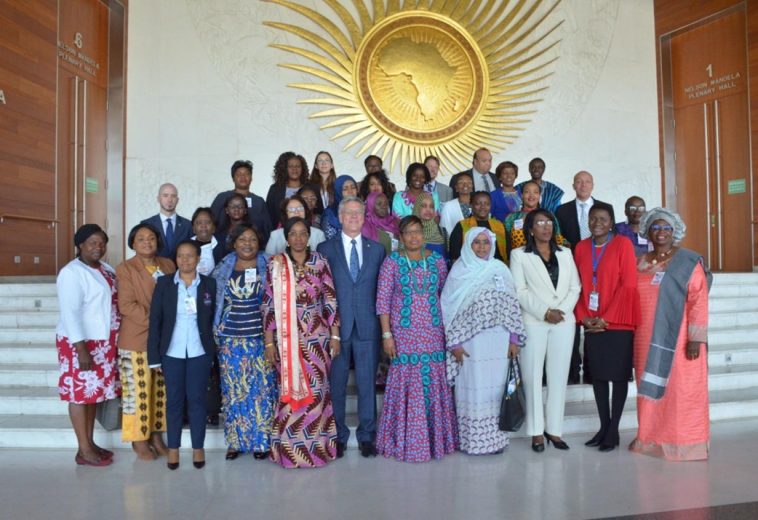
“Let us use this day to champion the power of data in advancing sustainable development for all.” — UN Secretary-General
Every five years, the world pauses on October 20 to celebrate World Statistics Day, a day dedicated to recognising the united power of data and statistics in shaping policies, guiding governance, and driving progress. This year, under the theme “High-Quality Statistics and Data for the Benefit of All,” the Nations highlights the centrality of accurate, inclusive, and transparent data in achieving sustainable development and social equity. The 2025 commemoration, marking the UN’s 80th anniversary, underscores how reliable statistics serve as the bedrock of evidence-based decision-making and a catalyst for transformative global and regional growth.
READ ALSO: World Food Day 2025: Hand in Hand for Better Foods and a Hunger-Free Africa
Across continents, events such as the 24-hour global webinar marathon are bringing together data experts, policymakers, and civil society to discuss innovative methodologies and share lessons on integrating data into governance. The focus is clear: to inspire collective action toward ensuring that data works for everyone, especially the most vulnerable.
Statistics: The Foundation of Evidence-Based Progress
Statistics are not just numbers on a spreadsheet; they are the lens through which societies understand their realities and chart their futures. From assessing poverty reduction to tracking environmental degradation, reliable statistics allow governments, institutions, and communities to make informed choices. They help identify disparities, allocate resources effectively, and measure the impact of public policies.
For the Sustainable Development Goals (SDGs), a global blueprint for prosperity and peace, data is indispensable. Whether it is ensuring quality education, improving maternal health, or tackling climate change, the quality and accessibility of data determine how effectively goals can be achieved. World Statistics Day 2025 serves as a reminder that behind every successful policy lies a robust data system.
The African Context: Turning Numbers into Action
Nowhere does the theme resonate more profoundly than in Africa, where statistics are not merely tools of measurement but instruments of transformation. The continent’s demographic and economic realities illustrate both the promise and urgency of data-driven decision-making.
With a population surpassing 1.5 billion people, over 60% of whom are under 25, Africa represents the youngest continent on earth. By 2050, it will house one in every four people globally—a demographic advantage that could transform the continent into the next global growth frontier. Yet, without accurate data, this “youth dividend” risks becoming a “youth burden.”
Each year, nearly 12 million young Africans enter the labour market, but only about 3 million new formal jobs are created. This mismatch between opportunity and employment underscores the need for reliable statistics to guide education reforms, entrepreneurship programs, and industrial diversification.
Economically, Africa remains resilient. The continent’s real GDP growth is projected at 3.9% in 2025, with East Africa leading at 5.9%, driven by energy and agriculture investments. However, regional disparities persist: Southern Africa’s growth lags at 2.2% due to fiscal pressures and trade instability. Meanwhile, 464 million Africans still lived in extreme poverty in 2024, and average inflation stood at 18.7%, propelled by food and fuel price shocks.
High-quality statistics are indispensable for designing targeted interventions, such as domestic resource mobilisation reforms projected to raise $1.43 trillion across African economies. Similarly, the success of the African Continental Free Trade Area (AfCFTA), expected to boost income by $450 billion by 2035, depends heavily on reliable trade, production, and employment data.
Health, Education, and Human Development: Where Data Saves Lives
In health and nutrition, data is saving lives every day. Sub-Saharan Africa faces acute food insecurity, affecting 120 million people, particularly in conflict-affected regions. Statistics also highlight ongoing challenges in reducing child and maternal mortality, areas where better data could inform lifesaving interventions.
Education, too, depends on accurate measurement. Many African nations still face low secondary school enrollment rates and skills mismatches, limiting the continent’s capacity to fully harness its human capital. Statistical monitoring helps policymakers align education systems with labour market needs and ensure equitable access for girls and marginalised communities.
Overcoming Data Challenges in Africa
Despite progress, Africa’s data ecosystem faces persistent challenges. Many national statistical systems struggle with outdated methodologies, insufficient funding, and limited digital infrastructure. The informal sector, which makes up 50–65% of African economies, often escapes statistical capture, complicating accurate assessments of productivity and employment. Furthermore, illicit financial flows and corruption, estimated at $587 billion annually, erode data reliability and economic transparency.
However, the continent is responding with innovation and collaboration. The African Centre for Statistics (ACS) under the United Nations Economic Commission for Africa (UNECA) is leading efforts to strengthen data governance and harmonisation. Regional institutions like COMESA and the Natview Foundation for Technology Innovation are advancing digital tools for real-time data collection and analysis.
Modernising Systems of National Accounts (SNAs) and embracing technologies such as artificial intelligence, satellite imagery, and big data analytics could revolutionise Africa’s statistical accuracy and inclusivity. Reports like the African Development Bank’s “African Economic Outlook” and UNICEF’s “State of African Children” continue to provide critical insights guiding reforms in social and economic policy.
Conclusion: Building a Data-Driven Future for Africa
As the world commemorates World Statistics Day 2025, Africa stands at the crossroads of opportunity and responsibility. High-quality statistics are not just a development tool; they are the lifeblood of transformation. Data tells the story of progress and challenges, of people and potential. It is the map that guides Africa toward achieving Agenda 2063 and the SDGs.
The message from the UN Secretary-General, to champion the power of data in advancing sustainable development, rings especially true for Africa. By investing in robust statistical systems, nurturing data literacy, and fostering a culture of transparency, the continent can harness its demographic power, strengthen governance, and accelerate inclusive growth.
In the end, the numbers are not just statistics; they are voices calling for action, equity, and a brighter future for all.