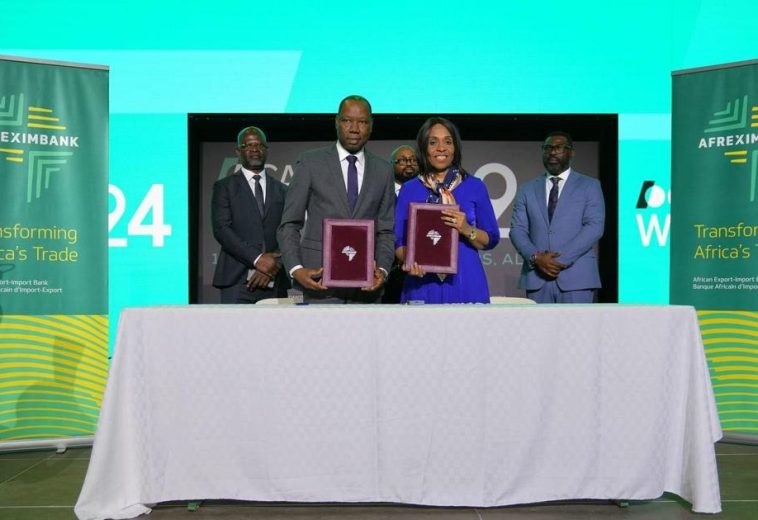
How can Nigeria convert its global cultural influence into greater economic value at home? A financing package worth US$118 million, announced at the Creative Africa Nexus Weekend (CANEX WKND) in Lagos, offers a significant intervention aimed at helping creative businesses move from cultural visibility to stronger commercial operations.
The agreements, announced in November 2026, involve the African Export-Import Bank (Afreximbank) and Nigerian development finance institutions. They comprise a US$75 million facility involving Afreximbank and the Development Bank of Nigeria (DBN), a US$30 million financing arrangement, and a US$13 million grant involving the Nigerian Export-Import Bank (NEXIM), the Small and Medium Enterprises Development Agency of Nigeria (SMEDAN) and Afreximbank.
READ ALSO: Ghana’s Next Economic Chapter: A $9 Billion Push to Build Productive Industries
The package is designed to address financing constraints affecting businesses in the creative sector. These include limited access to capital for production, intellectual property development, distribution and expansion into international markets. For a country whose music, film, fashion and digital content have built substantial international audiences, improving the commercial infrastructure behind creative work is an important economic priority.
Nigeria’s creative industries have developed a strong presence beyond the country’s borders. Afrobeats has reached international charts and major performance venues, Nollywood continues to distribute stories to audiences across different markets, and Nigerian designers and fashion entrepreneurs are increasingly visible in global creative spaces. Yet international recognition does not automatically translate into sustainable earnings for the businesses and professionals producing that content.
Many creative enterprises operate with limited working capital and face difficulties securing financing because their assets and revenue models do not always fit conventional lending requirements. Intellectual property, distribution rights and future royalty income can carry substantial commercial value, but businesses need appropriate financial structures and legal protections to use them effectively.
This is where development finance can make a difference. Capital directed towards production, equipment, distribution and business expansion could help creative companies increase output, employ more people and compete for larger contracts. Support for intellectual property development may also strengthen the ability of creators and businesses to retain ownership and earn from their work over time.
The involvement of DBN, NEXIM and SMEDAN also brings attention to the role of domestic institutions in building a stronger creative economy. International financing can provide scale, but local institutions are important for reaching smaller enterprises, understanding market conditions and supporting businesses as they grow.
The impact of the package, however, will depend on how the facilities and grant are structured and distributed. Transparent eligibility requirements, accessible application processes and appropriate financing terms will be essential, particularly for small and medium-sized creative businesses. The industry will also require stronger copyright enforcement, reliable data on its economic contribution and more effective distribution networks.
For Africa, Nigeria’s financing initiative reflects a wider opportunity to treat the creative economy as a productive sector rather than simply a source of entertainment or cultural influence. Music, film, fashion, design and digital content can generate employment, support exports and strengthen the continent’s presence in global markets.
The US$118 million announcement is an important financing commitment, but its lasting value will be measured by the businesses it helps to build, the intellectual property creators are able to protect and the revenue that remains within the economy. Nigeria’s next challenge is to ensure that its cultural influence is matched by the financial and commercial structures needed to sustain it.