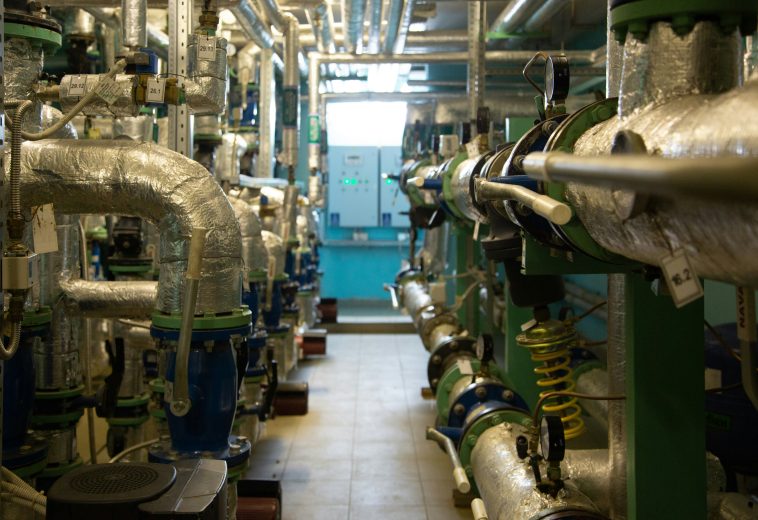
Zimbabwe is rapidly positioning itself as a dominant force in the global lithium supply chain, bolstered by the state-owned Kuvimba Mining House’s announcement to begin construction on a landmark $270 million lithium concentrator at its Sandawana mine in the third quarter of 2025. Slated to enter production by early 2027, the project is expected to process 600,000 metric tons of lithium ore annually, placing it among Africa’s most significant investments in lithium value addition to date.
A Strategic Counter-Cyclical Bet
Despite the ongoing slump in global lithium prices—down nearly 90% since their 2022 highs—Kuvimba CEO Trevor Barnard remains confident that the timing of this investment is opportune. “Our forecast is that lithium prices will recover sometime in the year 2027, right at a point in time when we expect the concentration plant to be in production,” Barnard said in a statement released on July 16.
READ ALSO: Zimbabwe’s Long-Term Vision: Promoting Local Value Addition in Lithium Industry
This counter-cyclical strategy aims to capitalise on the projected global supply-demand imbalance for lithium. As the International Energy Agency projects the need for 55 new lithium mines by 2035 to meet energy transition goals, Zimbabwe’s timing could allow it to enter the market with scale and momentum when prices and demand rebound.
Sandawana: A Centrepiece of Zimbabwe’s Battery Metals Policy
Zimbabwe, which produced 2.4 million tons of lithium concentrate in 2024—more than tripling its 2023 output—is banking on Sandawana to further raise national capacity to 3.26 million tons in 2025. This project also marks a new phase in Zimbabwe’s industrial policy, which pivots from raw material exports to value-added processing.
The government has announced a ban on the export of lithium concentrates, effective January 2027. Sandawana’s operational timeline is aligned with this policy deadline, ensuring the country has processing capacity in place when the ban is enforced.
Foreign Capital, Local Control
The Sandawana plant will be built under a Build-Operate-Transfer (BOT) model in collaboration with two Chinese metals giants. While their identities were not disclosed in the latest announcement, previous interviews suggest that Zhejiang Huayou Cobalt and Tsingshan Holding Group are likely participants. The Chinese partners will operate the facility for a minimum of five years, after which full control will revert to Kuvimba.
This BOT structure enables Zimbabwe to benefit from Chinese capital and technical expertise while retaining ownership of the resource and processing facility—a model designed to promote long-term skills transfer and industrial independence.
Interim Measures and Infrastructure Coordination
While construction is pending, Kuvimba has begun stockpiling lithium ore at Sandawana and shipping some to Tsingshan’s Gwanda processing facility. This interim solution allows for revenue generation and logistics testing ahead of full operations, ensuring that supply chains are operational and refined by the time the Sandawana facility comes online.
Key infrastructure elements—electricity, water, and road access—are being coordinated with government support, particularly given the high energy and water requirements of lithium concentration. According to project insiders, modular design and water recycling systems are being incorporated into plant planning to improve sustainability and mitigate resource risks.
Economic Impact and Skill Development
The Sandawana project is poised to deliver substantial economic and human capital benefits. Industry analysts estimate the plant will create 300–400 permanent jobs, including high-skilled roles in chemical engineering, process control, and environmental management. Construction and indirect job creation could multiply that figure several times over.
Furthermore, dedicated training and technical certification programs are being established in collaboration with Zimbabwean universities and technical colleges to prepare local engineers and technicians for high-tech mining operations. This approach ensures that Zimbabwe develops the capacity to manage and eventually lead such advanced industrial assets.
Value Chain Aspirations Beyond Concentrate
While Sandawana’s immediate focus is on concentrate production, Zimbabwe’s broader ambition is to move further up the battery value chain. Plans are underway to develop two lithium sulphate conversion plants—at Bikita Minerals and Prospect Lithium Zimbabwe—laying the groundwork for future production of lithium hydroxide and even battery precursor materials.
This aligns with a long-term national strategy to leverage critical mineral reserves not just for export earnings but as a foundation for downstream industrialisation, job creation, and regional economic leadership in the battery and energy storage sectors.
Africa’s Role in a Shifting Global Landscape
As countries like Namibia, Ghana, Mali, and the DRC begin scaling their lithium ambitions, Zimbabwe is taking a clear first-mover advantage. The Sandawana project and its accompanying policy support signal that Zimbabwe intends not only to be a primary supplier of lithium but also a value-adding processor and strategic partner in global energy transition supply chains.
By investing during a price downturn, securing long-term foreign partnerships under favourable terms, and aligning project timelines with both market and policy cycles, Zimbabwe is building a resilient, sovereign-aligned battery metals sector.
If global market projections prove accurate, 2027 may mark not just the commissioning of the Sandawana plant, but Zimbabwe’s formal arrival as a central player in the global lithium economy.